
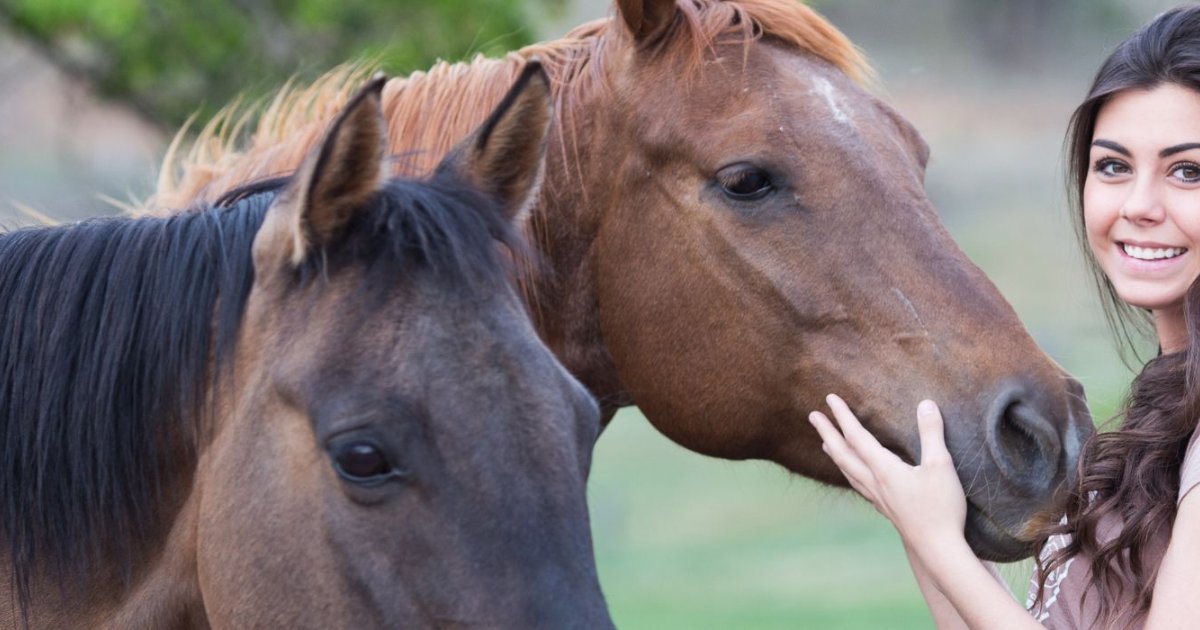
The Shocking Cost Of Horse Ownership
You found the perfect horse. The price tag seems reasonable, the seller is friendly, and you can already picture yourself cantering through golden fields on a Saturday morning. You sign the papers, shake hands, and drive home grinning. That's when the real spending begins.
The purchase price of a horse is, ironically, one of the smallest costs you'll ever pay. It's everything that comes after that catches new owners by surprise — and sometimes sends them scrambling for a calculator and a stiff drink.
The Numbers Nobody Talks About
Let's start with the basics. Boarding alone can run anywhere from $200 to $800 per month depending on your region, and that's for a standard stall with turnout. Full-service boarding in competitive equestrian areas? You could easily be looking at $1,200 to $2,500 monthly. If you keep your horse at home, you'll trade that boarding bill for property maintenance, fencing repairs, and hay storage — costs that have a funny way of sneaking up on you.
Feed is another line item that never stops growing. A typical horse goes through roughly 15 to 20 pounds of hay per day, plus grain or supplements depending on their workload and health needs. Budget somewhere around $150 to $400 per month just to keep them fed, and more if you're dealing with dietary sensitivities or a hard keeper that burns through calories like a teenager.
Then there's the farrier. Whether your horse is shod or barefoot, hooves need attention every six to eight weeks. Basic trims might cost $35 to $50, but a full set of shoes can run $150 to $300 or more — especially if your horse needs corrective shoeing or specialty work. That's six to eight visits per year, and the math adds up fast.
The Vet Bills That Keep You Up at Night
Routine veterinary care — annual vaccinations, dental floats, deworming — will set you back $300 to $800 per year on a healthy horse. But horses have an uncanny talent for finding trouble. Colic surgery can cost $7,000 to $12,000. A serious lameness workup with imaging might run $1,000 to $3,000. Even something as common as a laceration that needs stitches can easily become a $500 to $1,000 emergency call.
Many experienced owners recommend setting aside an emergency fund of at least $5,000 specifically for unexpected veterinary expenses. Equine insurance is another option, typically running $1,000 to $3,000 annually depending on the horse's value and the coverage you choose. Either way, you're paying for peace of mind — and with horses, you'll need it.
The Hidden Costs Nobody Mentions
Beyond the big-ticket items, there's a long list of smaller expenses that add up relentlessly. Tack and equipment need replacing and maintaining. Blankets, fly sheets, and seasonal gear come and go. Trailer maintenance (assuming you own one — if not, add hauling fees to the list). Bedding for stalls. Supplements your vet recommended. That new saddle pad you definitely didn't need but couldn't resist.
Training and lessons are another significant cost if you're working toward competitive goals or simply want to improve as a rider. Even one lesson per week at $50 to $100 adds $200 to $400 per month to your horse budget.
So What's the Real Total?
When you tally it all up, most estimates put the annual cost of horse ownership somewhere between $5,000 and $15,000 — and that's for a single horse with no major health issues. Competitive riders, those in high-cost-of-living areas, or anyone with a horse prone to medical drama can easily spend $20,000 or more per year.
None of this is meant to discourage you. Horses bring a kind of joy and connection that's hard to find anywhere else. But going in with your eyes open about the financial commitment means fewer surprises and more time enjoying the ride. The best horse owners aren't the ones with the deepest pockets — they're the ones who plan ahead and budget honestly.
If you're ready to take the leap, start by understanding the full picture. Your future horse (and your bank account) will thank you.